
香蕉视频黄色免费,欧美三级欧美做a爱,国产真实夫妇视频app,成人性色生活毛片,亚洲精品国产第一区第二,久久久国产精品美女,男女啪啦啦超猛烈动态图,黄色影片免费观看

What is the Difference Between Sanitary-Grade Pneumatic Ball Valves and General Pneumatic Ball Valve
Company News / 2021-08-13 / 202 瀏覽量

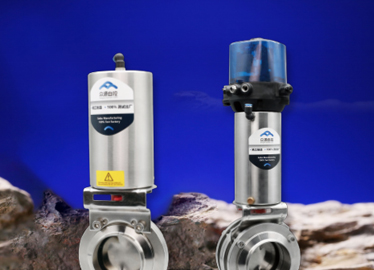
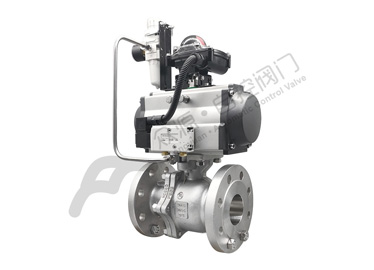
Sanitary-Grade Pneumatic Ball Valves from Zhongyuan Automatic Control can be connected via flanges. How do they differ from general pneumatic ball valves?

Zhongyuan’s sanitary-grade pneumatic ball valves are manufactured using stainless steel 304SS or 316L, with standard electropolishing to ensure a smooth, clean surface free from media retention areas and potential contamination. These valves meet the stringent requirements of the food, biopharmaceutical, and daily chemical industries for handling specialized media. Their smooth, seamless design and automatic drainage features also make them ideal for steam-in-place (SIP) and clean-in-place (CIP) processes. Connection methods for sanitary-grade valves include threaded, flanged, welded, clamp, or ferrule fittings, depending on engineering requirements.

Key Differences Between Sanitary-Grade and General Pneumatic Ball Valves:

  1. Material

    • Sanitary-grade valves: Only 304SS, 304L, 316, or 316L stainless steel are used, with special post-processing treatments to meet hygiene standards.

    • General industrial valves: Materials include cast iron, cast steel, ductile iron, or copper alloys, which are unsuitable for sanitary applications.

    • Why: Sanitary-grade valves are used in pharmaceutical, food, and chemical industries where products are consumed or directly contact the human body. Materials like steel, iron, or copper corrode or rust in humid environments, contaminating products. Copper valves are particularly problematic due to toxic copper oxide formation.

  2. Surface Finish

    • Sanitary-grade valves: Feature electropolished surfaces to eliminate contamination risks and ensure easy cleaning.

    • General industrial valves: Prioritize high-temperature/pressure resistance, durability, and operational flexibility, with less emphasis on surface aesthetics or hygiene.

  3. Connection Methods

    • Sanitary-grade valves: Typically use clamp quick-connect or threaded fittings for rapid disassembly and cleaning.

    • General industrial valves: Employ flanged, threaded, welded, or quick-connect methods based on operational needs.

g8vyR03BvThkwAAAABJRU5ErkJggg==.png

Prev 返回列表 Next

推薦資訊

聚焦閥門動態,洞悉行業先機